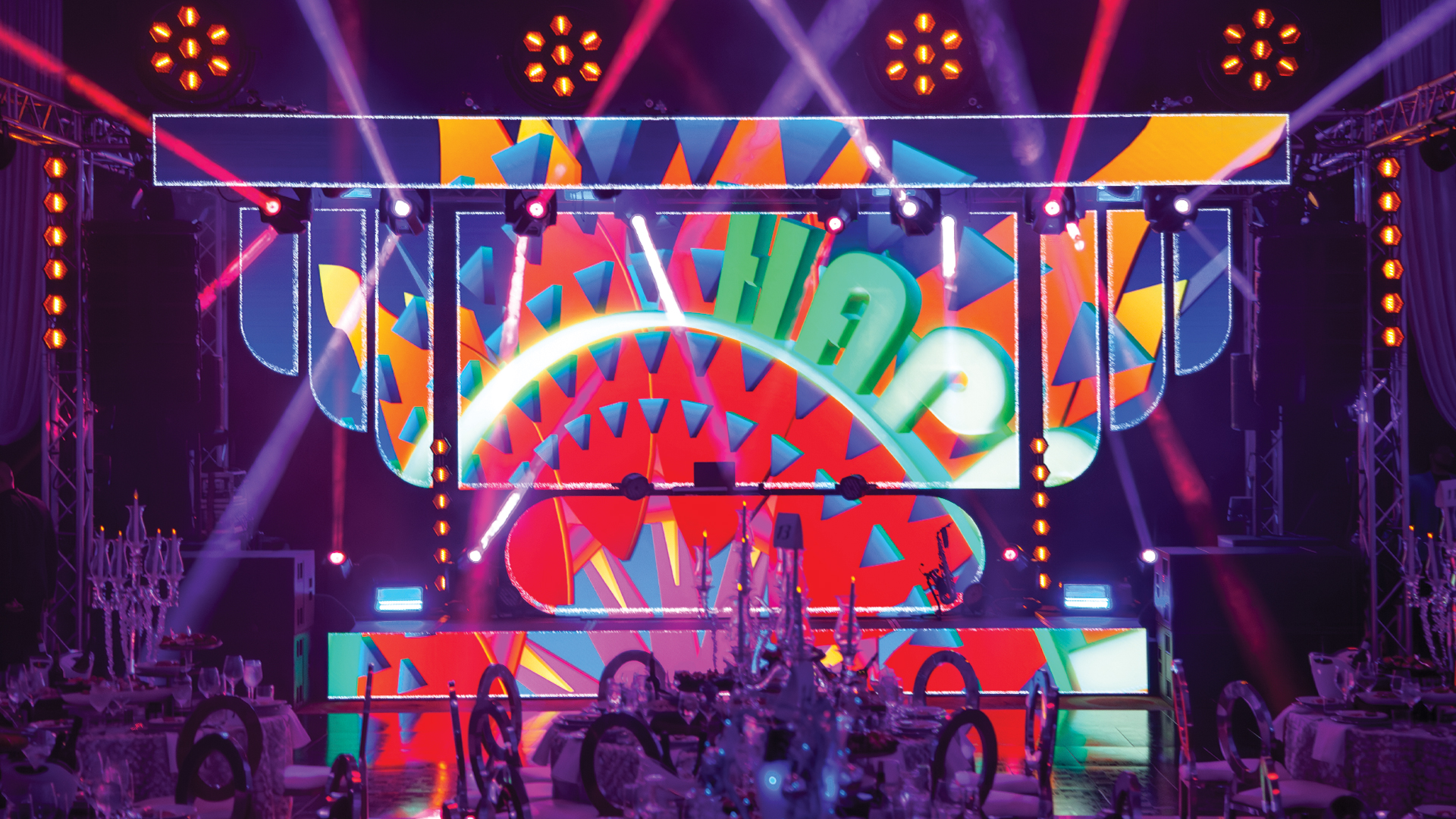
The call comes at 4 AM on a Tuesday. A corporate keynote in Chicago has a wall going down—half the panels are showing solid green, and the client’s CEO takes the stage in five hours. The technician who answers that call must diagnose remotely whether the problem lies in the Brompton processor configuration, a receiving card failure, a data cable that got pinched during load-in, or a power distribution issue affecting half the wall. They must guide the on-site crew through systematic troubleshooting while the clock ticks relentlessly toward showtime. This scenario distills what separates competent LED technicians from exceptional ones: deep systems knowledge, diagnostic methodology, and the calm under pressure that keeps disasters from becoming catastrophes.
Understanding the Complete Signal Path
Excellence begins with comprehensive understanding of how content travels from source to pixel. The signal path might start at a disguise gx 3 media server, pass through SDI distribution or fiber transport, enter the LED processor, convert to proprietary LED data protocol, distribute through receiver cards, and finally drive individual LED modules. A skilled technician can visualize this entire chain and isolate failures to specific segments through logical elimination. They understand that the same visual symptom—a dead section of wall—might indicate processor output failure, receiving card malfunction, data cable damage, or power supply problems, and they know how to differentiate between these causes quickly.
The processor platform demands particular expertise. Brompton Technology processors dominate high-end LED work, and their Tessera software contains layers of configuration options that dramatically affect image quality. Understanding color calibration, LED refresh rates, bit depth settings, and genlock configuration separates technicians who merely assemble walls from those who optimize them. Novastar and Colorlight processors appear frequently in touring and rental contexts, requiring familiarity with their distinct software interfaces and configuration paradigms. The best technicians develop fluency across multiple platforms rather than specializing in only one.
The Historical Context of LED Expertise
The LED technician role evolved from multiple predecessor positions as the technology matured. Early LED displays in the 1990s were essentially giant signage—technicians needed electrical knowledge and basic programming skills to configure message boards. The entertainment industry adopted LED seriously in the early 2000s, with companies like Element Labs (later acquired by Barco) creating modular systems designed for concert touring. These systems required technicians who understood both video signal flow and the physical assembly of modular displays.
The advent of fine-pitch indoor LED in the 2010s elevated the required skill level significantly. Pixel pitches below 2mm demanded precision calibration to achieve the uniformity broadcast applications require. The rise of virtual production and extended reality (XR) studios added another dimension—technicians now needed to understand camera systems, color science, and real-time rendering alongside traditional LED knowledge. Today’s LED technician integrates expertise that would have required three separate specialists a decade ago.
Physical Competency and Panel Handling
LED panels represent substantial investments—a single ROE Visual Black Pearl or Absen PL Series panel might cost several thousand dollars, and walls contain dozens or hundreds of panels. Skilled technicians develop precise handling techniques that protect both equipment and the delicate LED modules on each panel surface. They understand proper lifting mechanics for various panel weights, safe stacking configurations during transport, and the critical importance of edge protection during assembly. Rushing panel installation to meet schedule pressure causes the damage that creates problems during shows.
Rigging knowledge enhances a technician’s value significantly. LED walls frequently fly from truss structures, requiring competence with chain motors, load calculations, and structural attachment points. The ESTA ETCP certification program provides standardized rigging credentials that many employers value. Understanding when to defer to structural engineers versus proceeding with standard configurations protects both safety and liability. A technician who recognizes a questionable rigging situation and stops work demonstrates professional maturity that supervisors appreciate.
Troubleshooting Methodology Under Pressure
The structured approach to problem-solving distinguishes professionals from amateurs when systems fail. Effective troubleshooting follows a systematic methodology: isolate the failure domain, verify signal presence at each stage, and eliminate possibilities through logical testing. When a wall section goes dark, the skilled technician doesn’t randomly swap components hoping for luck. Instead, they check: Is the processor outputting signal? Is the data cable carrying that signal? Is the receiving card processing it? Is power reaching the affected section? Each verification narrows the possible causes until the specific failure point becomes clear.
Maintaining composure under pressure represents perhaps the most valuable trait. Productions rarely fail during relaxed rehearsals—they fail minutes before keynotes, during live broadcasts, in front of audiences who have no idea anything is wrong until someone panics visibly. The technician who calmly announces “we have an issue and I’m working it” while methodically diagnosing buys time for solutions. The one who runs around frantically creates chaos that spreads. Emotional regulation under stress is a skill that develops through experience, but awareness of its importance accelerates development.
Color Science and Calibration Knowledge
LED walls serving broadcast or virtual production applications demand calibration expertise that goes beyond basic setup. Understanding color temperature, gamma curves, and color space mapping enables technicians to match LED output to camera expectations. The Rec. 709 standard governing HD broadcast specifies particular color primaries that LED walls must reproduce accurately. Tools like the Klein K-10A colorimeter or Photo Research spectroradiometers measure actual output, while Portrait Displays CalMAN software facilitates calibration workflows.
Uniformity correction addresses the visible variations between panels that plague multi-panel displays. Even panels from the same manufacturing batch exhibit slight differences in brightness and color that become visible when assembled into walls. Brompton Tessera’s Dynacal system and similar technologies measure individual LED characteristics and apply compensation, but the technician must understand when and how to apply these corrections. Over-correction introduces its own artifacts; the goal is perceptually uniform appearance, not mathematically identical output. Developing the eye to distinguish between acceptable variation and visible defect requires experience viewing walls under various content types and lighting conditions.
Communication and Professional Conduct
Technical skills alone don’t make an exceptional LED technician—professional conduct matters equally. The ability to communicate effectively with diverse stakeholders: explaining technical constraints to clients in accessible terms, coordinating with other departments during complex load-ins, and providing clear status updates to production managers. The technician who disappears into their work without communicating creates anxiety among team members who need to know whether the wall will be ready for rehearsal. The one who proactively announces progress builds confidence and facilitates scheduling decisions.
Documentation habits reflect professional maturity. Recording IP addresses, processor configurations, cable routing, and calibration settings enables consistency across multiple events and simplifies troubleshooting when returning to a venue. Creating clear handoff notes when transitioning between shifts ensures continuity. These practices seem administrative but prove invaluable when problems arise—trying to reconstruct configuration details from memory during a crisis wastes precious time that documentation eliminates. Senior technicians develop templates and systems for capturing this information efficiently rather than relying on ad-hoc note-taking.
Continuous Learning in Evolving Technology
LED technology advances continuously, rendering yesterday’s expertise incomplete without ongoing learning. New panel designs, processor firmware updates, and emerging applications create constant pressure to expand knowledge. MicroLED technology promises even finer pixel pitches, while transparent LED and flexible panel formats create possibilities that didn’t exist five years ago. Technicians who actively seek training opportunities, study manufacturer documentation, and experiment with new products position themselves for continued relevance as the industry evolves.
Manufacturer certification programs provide structured learning pathways. Brompton’s certified programmer training validates processor expertise that employers recognize. ROE Visual and other panel manufacturers offer product-specific training that accelerates proficiency with their systems. Industry conferences like LDI (Live Design International) and InfoComm provide exposure to emerging technologies and networking opportunities with fellow professionals. Investing time in education compounds over a career—each new skill creates opportunities to learn adjacent skills, expanding capability geometrically.
Understanding Virtual Production Requirements
The fastest-growing application for LED expertise lies in virtual production and XR stages. These environments place unprecedented demands on LED performance—walls must serve simultaneously as camera background, practical lighting source, and actor reference. Understanding genlock synchronization between camera shutter and LED refresh becomes critical to avoid scan line artifacts. Mo-Sys StarTracker and similar camera tracking systems feed positional data to Unreal Engine render clusters that must maintain frame-accurate synchronization with LED output. The LED technician working on virtual production sets must understand this entire ecosystem, not just the wall itself.
Color management in VP contexts requires expertise exceeding standard event work. The wall must be calibrated not just for visual appearance but for how cameras perceive the image. ACES (Academy Color Encoding System) workflows and OpenColorIO integration ensure consistency between what colorists see in editorial and what appears on the LED volume. Technicians who develop this specialized knowledge command premium rates and work on the most technically sophisticated productions in the industry. The investment in learning these systems opens doors that basic LED competency cannot.
Building a Career Foundation
Entry into LED work typically comes through adjacent roles—video technicians, electricians, or stagehands who show aptitude and interest often transition into LED specialization. Starting positions involve panel handling, basic assembly, and cable management under supervision of experienced technicians. Demonstrating reliability, attention to detail, and genuine curiosity about how systems work catches the attention of supervisors who mentor promising candidates. The path from loader to lead technician to crew chief to department head exists for those who combine technical growth with professional development.
The demand for qualified LED technicians exceeds supply in most markets. Companies developing in-house expertise compete with rental houses and production companies for limited talent. This competition creates opportunities for capable technicians to negotiate favorable compensation and choose among desirable projects. Building a reputation for reliability and competence generates referrals that sustain careers through industry cycles. The technician who delivers excellent work consistently, communicates professionally, and continuously expands their knowledge finds themselves in perpetual demand—the ultimate measure of success in this technically demanding, creatively rewarding field.
