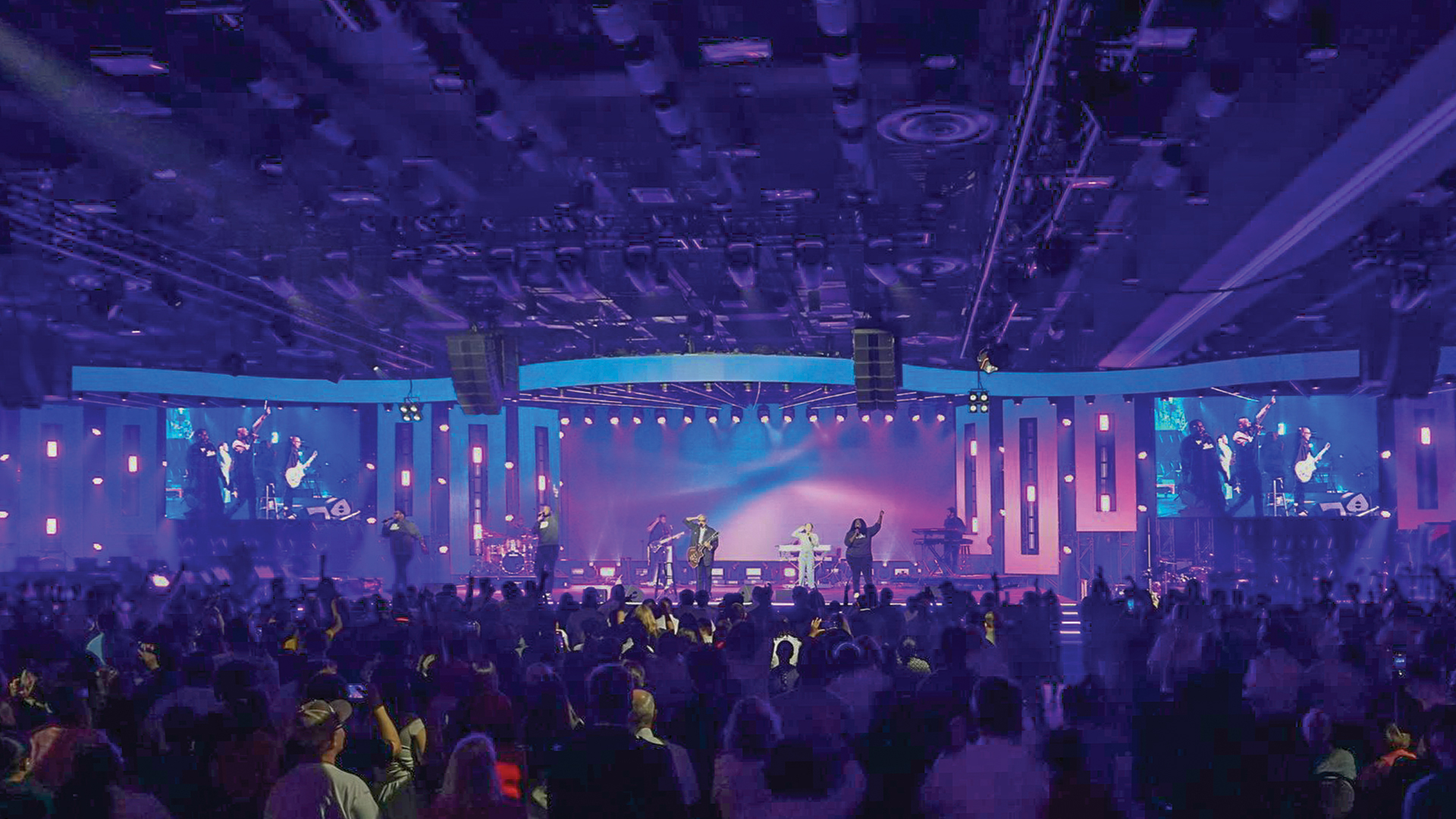
The Art of LED Integration Beyond Raw Pixels
Every LED wall arrives as a rectangular grid of pixels—technically impressive but aesthetically naked. The magic happens when scenic designers wrap these digital surfaces in custom frameworks that transform technology into theater. This discipline merges traditional stagecraft with digital display innovation, creating visual environments that audiences remember long after the pixels power down.
The history of scenic framing around video surfaces traces to the early 2000s when Christie Digital and Barco projectors dominated corporate stages. Designers discovered that raw display rectangles felt cold and corporate, while integrated scenic elements created warmth and brand personality. When LED walls achieved mainstream adoption around 2015, these framing principles translated directly, though the techniques required evolution.
Consider the difference between a Samsung The Wall installation floating nakedly in a ballroom versus the same display surrounded by custom aluminum extrusion finished in client brand colors, with integrated LED tape lighting creating depth and dimension. The pixels remain identical; the audience experience transforms completely.
Material Selection for Professional Frames
The material palette for scenic LED frames has expanded dramatically beyond traditional lumber and steel. Aluminum extrusion systems from 8020 Inc. and Item International offer modular building blocks that connect using proprietary T-slot hardware, enabling rapid assembly and reconfiguration. These systems accept custom powder coating, allowing precise Pantone color matching that broadcast cameras reproduce accurately.
For touring productions requiring weight optimization, carbon fiber composite framing enters the conversation. Companies like Composite Resources fabricate custom scenic elements that weigh 70% less than aluminum equivalents while maintaining structural integrity. The cost premium typically runs 300-400%, but weight savings cascade through trucking, rigging, and labor calculations.
Fabric-wrapped frames using Rosco or Rose Brand materials create soft, light-absorbing surrounds that eliminate the harsh reflections plaguing metallic finishes. The Duvatyn fabric that theatrical productions have used for decades works beautifully as LED frame cladding, creating visual borders that enhance rather than compete with video content.
Engineering Considerations for Structural Integration
The structural engineering of scenic LED frames requires understanding both static and dynamic loads. When designing frames for ROE Visual or Absen panels, engineers calculate not only panel weight but also mounting hardware, cable management systems, and potential wind loads for outdoor applications. The ESTA Technical Standards Program provides guidelines that responsible designers follow religiously.
Connection points between scenic frames and LED panels demand particular attention. The industry has largely standardized on panel clamp systems that grip the outer edges of display units without obstructing pixel surfaces. Companies like Snap produce quick-release clamps specifically designed for LED integration, enabling tool-free assembly that touring productions require.
For permanent installations, welded steel frames offer maximum rigidity but sacrifice flexibility. The Mercedes-Benz Stadium in Atlanta features integrated LED displays with custom steel scenic framing that required extensive engineering coordination between Daktronics video systems and architectural steel contractors. Such installations represent the pinnacle of frame engineering complexity.
Design Principles for Visual Cohesion
The visual relationship between scenic frames and LED content requires thoughtful design coordination. When frames compete visually with video content, audiences experience cognitive dissonance that undermines both elements. The solution lies in designing frames that complement rather than compete—neutral tones for dynamic content, bold frames only when content remains relatively static.
Depth layering creates the most sophisticated scenic LED integrations. Imagine a frame system with three distinct planes: a rear LED wall, a mid-ground of floating scenic panels with LED strip backlighting, and a foreground of dimensional letters or logo elements. This layering approach appears throughout broadcast news sets designed by companies like Broadcast Design International and FX Design Group.
The lighting designer’s perspective matters enormously when specifying frame materials and finishes. Reflective surfaces create hotspots under ETC Source Four fixtures, while matte finishes absorb light unevenly. The ideal finishes—satin metallics or semi-gloss painted surfaces—balance camera performance with live audience aesthetics.
Integration with LED Processing Systems
Modern scenic LED frames increasingly incorporate integrated technology beyond simple display surrounds. Ambient lighting zones using ENTTEC pixel controllers sync frame lighting with video content, creating halos and color washes that extend the pixel experience beyond the panel edges. This integration requires coordination between LED processor outputs and DMX lighting controllers.
The Brompton Technology processing systems that power premium LED installations offer features specifically designed for scenic integration. Their Frame Remapping capability allows processors to treat scenic elements as extensions of the video canvas, mapping content across both pixel surfaces and frame-mounted lighting elements.
Audio visual integration extends beyond video processing. Many scenic frame designs incorporate JBL Control or QSC AcousticDesign speakers hidden within frame structures, creating point-source audio that appears to originate from the video display. This technique, borrowed from home theater design, enhances the immersive quality of scenic LED installations.
Budget Considerations and Value Engineering
The economics of scenic LED framing span enormous ranges depending on production type and permanence. A one-day corporate event might allocate $5,000-15,000 for frame rental and labor, while a permanent broadcast installation could invest $500,000+ in custom fabrication. Understanding where your production falls on this spectrum informs material and design decisions.
Value engineering opportunities exist throughout the frame design process. Standard aluminum extrusion finished in black powder coat costs significantly less than custom colors while delivering 90% of the visual impact. Similarly, fabric cladding over simple frames often creates better camera performance than expensive metallic finishes at a fraction of the cost.
The rental versus purchase calculation matters particularly for scenic LED frames. Companies like ShowTech Solutions and Blackwalnut maintain rental inventories of modular frame systems that adapt to various LED panel configurations. For productions occurring fewer than 4-5 times annually, rental typically delivers better economics than ownership.
Future Directions in Scenic LED Design
The evolution of scenic LED framing points toward increasingly seamless integration where physical and digital elements blur completely. Transparent LED panels from manufacturers like Glux and Leyard enable frames that appear to float behind video content, creating depth illusions impossible with traditional opaque displays.
3D printing technology now enables rapid prototyping of scenic elements that precisely fit specific LED panel configurations. Designers create custom mounting brackets, decorative elements, and cable management solutions using Formlabs or Stratasys systems, dramatically reducing fabrication timelines for custom projects.
When your next production requires LED integration that transcends the generic video rectangle, remember that scenic framing transforms technology into experience. The pixels provide content; the frames provide context—and context determines whether audiences remember your production as remarkable or merely adequate.
