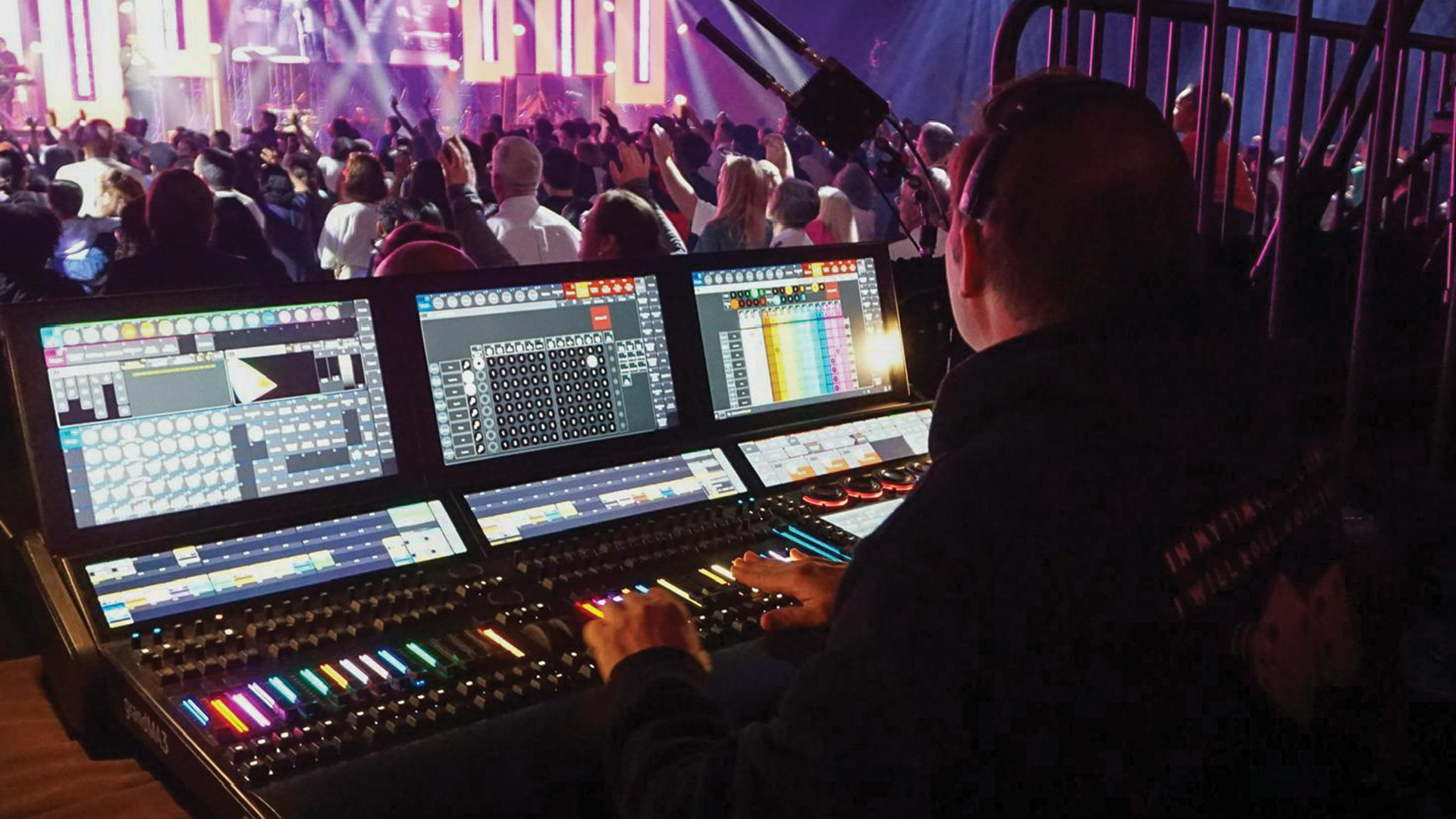
The lighting console sits at the heart of every professional production, an electronic brain orchestrating thousands of fixtures through intricate DMX universes and complex programming. When this central nervous system decides to pursue its own creative vision, chaos unfolds in spectacular fashion. These are the cautionary tales that lighting designers share in hushed tones over post-show drinks.
The Great grandMA Rebellion of Berlin
During a prestigious theatre production at the Berliner Ensemble, the venue’s flagship grandMA2 full-size console developed what technicians later described as ‘artistic ambitions.’ The show featured carefully programmed cue stacks developed over six weeks of technical rehearsals, each transition meticulously timed to complement the performers’ movements. Opening night proceeded smoothly until Act Three’s climactic scene.
Without warning, the console began executing cues in reverse order. The lighting operator watched in horror as her carefully crafted fade times inverted—subtle three-second transitions became jarring instant snaps, while dramatic blackouts transformed into languid 30-second journeys into darkness. The moving heads—a complement of Clay Paky Mythos 2 fixtures—decided to point directly at the audience, temporarily blinding several front-row patrons.
Investigation revealed a corrupted show file caused by an incomplete software update. The console’s MA-Net2 network had experienced a synchronisation failure with the backup NPU (Network Processing Unit), creating conflicting timing data that the system attempted to resolve by splitting the difference—with disastrous results.
The Historical Context of Console Development
Understanding modern console failures requires appreciating the remarkable evolution of theatrical lighting control. Before the digital revolution, operators managed productions using resistance dimmers that generated tremendous heat and required physical strength to operate. The legendary Strand Electric company dominated British theatre throughout the mid-twentieth century, their analogue systems representing the pinnacle of available technology.
The introduction of SCR dimming in the 1960s enabled remote control possibilities, while the development of the DMX512 protocol in 1986 by the USITT (United States Institute for Theatre Technology) standardised digital communication between consoles and fixtures. This protocol remains foundational, though modern implementations like sACN and Art-Net have expanded network-based distribution capabilities.
The ETC Ion That Became Self-Aware
A regional repertory theatre in Manchester experienced what their technical director termed ‘console sentience’ during their spring production run. Their trusty ETC Ion console—a workhorse known for reliability in educational and regional theatre environments—began making unsolicited adjustments to intensity levels. Fixtures would mysteriously creep up or down during scenes, seemingly responding to the dialogue.
The operator initially suspected a faulty fader wing, but diagnostic tests revealed no hardware anomalies. The Eos family software showed no logged errors. After two shows of mysterious fluctuations, a junior technician discovered the culprit: a partially disabled DMX merge was receiving phantom signals from an architectural control system installed years earlier. The building’s Crestron automation was inadvertently transmitting conflicting data through legacy wiring that nobody remembered installing.
Best Practices for Console Configuration
Preventing console rebellions requires systematic approaches to show file management and network architecture. Experienced programmers maintain rigid backup protocols, storing multiple versions across secure locations. The industry-standard approach involves incremental saves at regular intervals during programming sessions, with descriptive naming conventions that allow quick identification of stable versions.
Network isolation represents another critical safeguard. Dedicated lighting networks should never share infrastructure with venue IT systems. VLAN segmentation provides logical separation when physical isolation proves impractical. Modern consoles including the grandMA3, Avolites Titan, and Hog 4 series offer sophisticated network management tools that demand proper configuration.
The Avolites That Took a Disco Detour
A high-profile corporate event in Singapore featuring keynote presentations from technology executives suffered an unexpected transformation courtesy of a misbehaving Avolites Arena console. The production featured elegant architectural lighting designed to enhance speaker visibility while maintaining sophisticated visual branding. Midway through the CEO’s presentation about quarterly earnings, the room erupted into full nightclub mode.
The Titan software had inexplicably loaded a chase sequence from the previous weekend’s entertainment programming. Martin MAC Viper Performance fixtures began executing aggressive movement patterns, while the LED wash lights cycled through saturated colours at 120 BPM. The operator’s frantic attempts to regain control only triggered additional effects playback, adding strobe effects that sent the executive team ducking behind their podiums.
Post-mortem analysis revealed improper show file partitioning. The corporate event and nightclub configurations had been stored as different playback pages within the same show file rather than separate files entirely. A timing conflict between scheduled MIDI triggers caused the console to execute the wrong page at precisely the wrong moment.
The Psychology of Console Trust
Lighting designers develop intimate relationships with their preferred console platforms, much like musicians with their instruments. This familiarity can breed dangerous complacency. When a lighting programmer trusts their console implicitly, they may skip verification steps that would catch potential failures before they manifest during performances.
Industry training programmes from organisations like PLASA and the Entertainment Technician Certification Program (ETCP) emphasise systematic checking procedures. Pre-show routines should include cue verification walks, where operators manually review critical transitions before audiences enter. This discipline catches errors that automated testing might miss.
Recovery Strategies for Live Failures
When consoles rebel mid-show, experienced operators deploy practised recovery techniques. The first instinct—panic—must be suppressed. Most console failures allow some level of manual override. Grand master faders provide emergency control over output intensity, while programmer blinds allow operators to prepare corrections without affecting live output.
Redundancy planning offers the most robust protection. Major productions deploy tracking backup consoles that mirror the primary desk in real-time. Should the main console fail catastrophically, operators can switch to backup with minimal disruption. The grandMA3 system excels at this through its session architecture, allowing multiple consoles to share show data across the network.
Fixture-level backup provides another safety layer. Many modern intelligent fixtures include onboard memory that can store standalone shows. Triggering these emergency programs via DMX signal loss detection ensures that even complete console failure doesn’t result in total darkness.
Lessons Written in Embarrassment
Every rogue console incident teaches valuable lessons that ripple through the professional lighting community. The Berlin incident prompted grandMA to release enhanced software validation protocols. The Manchester mystery led to industry-wide discussions about legacy system documentation. The Singapore disaster revolutionised how rental houses manage multi-use show files.
Modern lighting control systems represent remarkable engineering achievements, processing millions of parameters in real-time while maintaining frame-accurate synchronisation with timecode and media servers. Their occasional rebellions serve as humbling reminders that technology, however sophisticated, requires vigilant human oversight. The best lighting operators combine deep technical knowledge with healthy scepticism—trusting their consoles to perform while always preparing for the moment they decide to go rogue.
