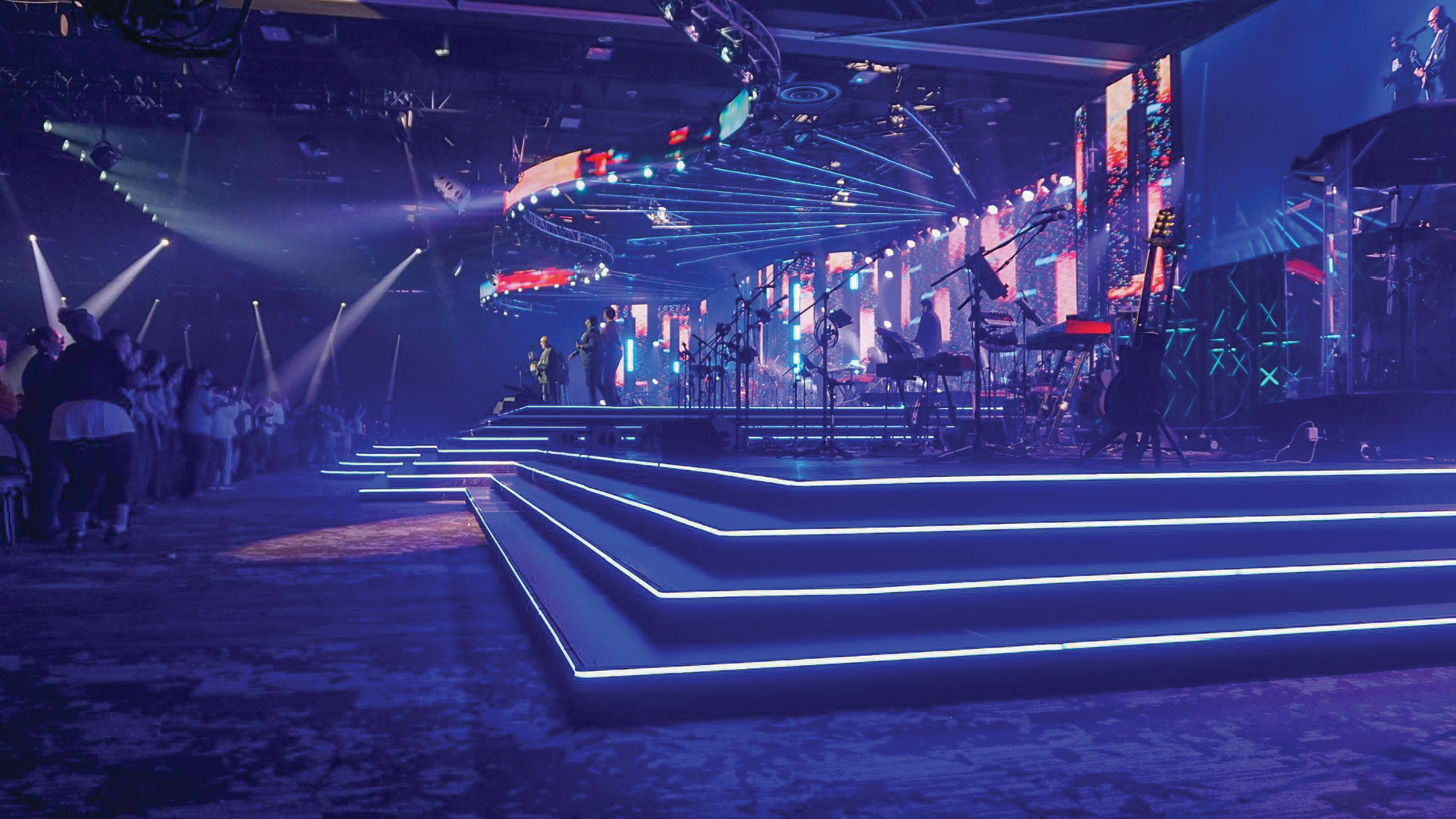
The equipment that creates spectacular productions often contains delicate optics, precision mechanics, and sensitive electronics that shudder at the thought of airline baggage handlers. Protecting sensitive AV gear during travel requires thoughtful preparation, proper packaging, and constant vigilance throughout journeys spanning continents. The difference between arriving ready to perform and discovering damaged equipment lies in systematic approaches developed through hard-won experience.
Understanding What Makes Equipment Vulnerable
Different equipment categories face distinct travel hazards. Moving light fixtures contain motorized yokes, spinning gobos, and precise optical assemblies vulnerable to shock damage. The pan and tilt mechanisms in fixtures like the Robe BMFL or Martin MAC Encore require securing before transport to prevent motor damage from forced movement.
Camera equipment suffers from vibration affecting sensor alignment and lens calibration. The precision glass in cinema lenses from Zeiss, Cooke, or ARRI demands protection from impacts that might seem minor but can introduce optical distortion. Lens elements cemented together can separate under extreme temperature changes encountered in cargo holds.
Audio equipment, particularly vacuum tube gear and ribbon microphones, requires delicate handling. Vintage Neumann microphones represent irreplaceable investments vulnerable to shock damage. Even rugged touring consoles like the DiGiCo SD series contain sensitive electronics that prefer gentle treatment.
Case Selection and Preparation
Professional road cases from manufacturers like Pelican, SKB, or Anvil provide the first defense against travel hazards. These cases feature injection-molded or rotationally-molded shells that absorb impacts without transmitting shock to contents. Proper case selection matches case protection rating to equipment sensitivity and expected handling conditions.
Foam interiors must be cut precisely to immobilize equipment completely. Loose items shifting during transport concentrate impact forces rather than distributing them. Pick-and-pluck foam enables custom fitting without professional foam cutting, though dense polyethylene or polyurethane foam provides superior protection for valuable items.
Maintain small air gaps around equipment within foam cutouts. Equipment pressed tightly against foam without clearance transmits shock more directly. The ideal configuration suspends equipment slightly within protective foam, allowing the foam to absorb energy through compression.
Air Travel Considerations
Airlines impose specific requirements on checked equipment affecting case selection and packing. Size and weight limits vary between carriers and routes. International flights often have stricter baggage allowances than domestic routes. Verify current limits before travel, recognizing that policies change frequently.
Cargo holds experience extreme conditions. Unpressurized holds can reach temperatures well below freezing at altitude. Pressure changes affect equipment containing air gaps—camera lenses with focus breathing, sealed electronic enclosures, and similar items. Allow equipment to stabilize at ambient temperature before operation after flights.
Hand carrying critical items avoids cargo hold risks but introduces weight limits and security screening considerations. TSA and international equivalents may require equipment demonstration or detailed inspection. Carry documentation identifying equipment, especially for items that might appear unusual on X-ray screening.
Ground Transportation Protocols
Vehicle transport introduces vibration exposure that differs from air travel impacts. Road surfaces, especially on international routes, generate continuous vibration that can loosen connections, fatigue components, and gradually degrade precision assemblies.
Secure cases within vehicles to prevent shifting during transit. Equipment moving within truck beds experiences repeated impacts as loads shift during acceleration, braking, and cornering. Proper load restraint using straps rated for case weights prevents movement that causes damage.
Climate control matters during ground transport. Enclosed trailers sitting in summer sun can reach interior temperatures exceeding 140°F—conditions that damage LCD screens, melt adhesives, and stress electronic components. Whenever possible, transport sensitive gear in climate-controlled vehicles or time movements to avoid extreme temperatures.
Environmental Protection Measures
Humidity presents underappreciated threats to electronic equipment. Moving between air-conditioned venues and humid exteriors causes condensation on cool equipment surfaces. This moisture can short circuits, corrode contacts, and promote fungal growth on optical elements.
Silica gel packets within cases absorb moisture, reducing condensation risk. Replace or regenerate these packets regularly—saturated desiccant provides no protection. Indicator packets that change color when saturated show when replacement is needed.
Allow equipment time to acclimate when transitioning between environments. Removing camera lenses from cases immediately after flights invites condensation. Letting sealed cases warm gradually before opening reduces thermal shock and condensation formation.
Insurance and Documentation Requirements
Comprehensive equipment insurance provides essential protection, but policies vary dramatically in coverage scope. Verify coverage for transit damage, including international travel. Some policies exclude certain countries or require specific documentation for claims.
Maintain detailed equipment inventories with serial numbers, purchase documentation, and current valuations. Photograph equipment before travel to document pre-existing condition. Insurance claims require this documentation; assembling it after damage occurs proves difficult and can delay or reduce settlements.
International travel often requires ATA Carnets documenting temporary equipment importation. These customs documents prevent duty charges on professional equipment and facilitate border crossings. Carnet applications require detailed equipment lists matching serial numbers—maintain accurate records continuously.
Inspection Routines After Travel
Systematic post-travel inspection identifies damage before equipment enters service. Check cases for external damage indicating rough handling. Inspect internal foam for compression patterns suggesting impacts. Examine equipment for visible damage before powering on.
Functional testing should follow visual inspection. Moving lights should execute full pan/tilt movements smoothly. Cameras should focus accurately across their full range. Audio equipment should pass signal cleanly without noise or intermittent connections.
Document any damage discovered immediately. Photograph damage before disturbing equipment further. File carrier claims promptly—most have strict time limits for damage reporting. Retain all packaging materials until claims resolve; carriers may require inspection of packaging.
Special Considerations for Fragile Items
Certain items demand exceptional protection. Projection lenses from Barco or Christie contain precision optics worth tens of thousands of dollars. These items should travel in hand-carry cases with shock-monitoring indicators that reveal rough handling.
LED panels for video walls require careful handling despite their rugged appearance. The surface-mount LEDs can shear off with impact, creating dead pixels visible on screen. Cases designed specifically for LED panel transport include appropriate padding and spacing to protect delicate surfaces.
Ribbon microphones represent perhaps the most fragile audio equipment. The Royer R-121 and similar designs contain aluminum ribbons only microns thick that tear easily from shock or wind. Never ship ribbon microphones; always hand-carry in padded cases positioned to prevent any ribbon movement.
Protecting sensitive AV gear during travel demands continuous attention throughout every journey phase. The investment in proper cases, careful handling procedures, and systematic inspection pays dividends in equipment reliability and longevity. Productions arriving with fully functional equipment can focus on creating spectacular shows rather than troubleshooting travel-damaged gear.
