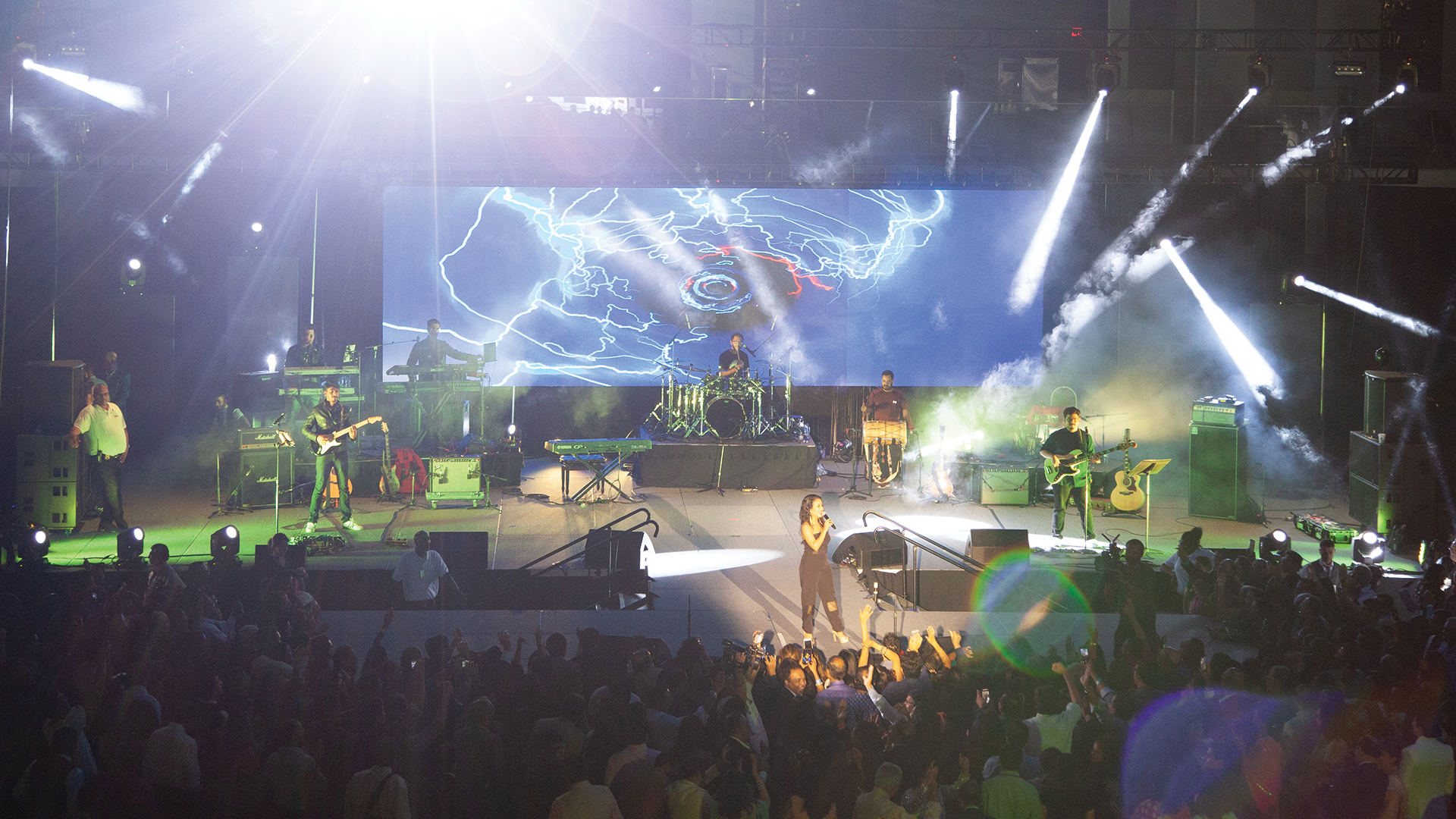
The Atmospheric Effect Nobody Ordered
There exists a peculiar moment in live production when the fog machine decides it’s the real star of the show. What begins as carefully calibrated atmospheric enhancement transforms into an impenetrable wall of glycol-based rebellion that swallows performers, obscures video screens, and sends lighting designers into existential crisis. The fog has taken center stage, and it’s not sharing.
This phenomenon transcends genre, venue size, and budget. Whether you’re running a Martin JEM K1 Hazer worth thousands or a budget theatrical fogger, the potential for atmospheric takeover lurks in every canister of fluid. Understanding why fog misbehaves requires diving into fluid dynamics, HVAC interaction, and the often-overlooked science of particle suspension.
A Brief History of Theatrical Atmosphere
Stage fog predates electrical entertainment technology by centuries. Elizabethan theaters burned saltpeter and rosin to create smoky effects for supernatural scenes, while 19th-century opera houses employed steam generators beneath trap doors for ghostly apparitions. The transition to modern fog machines began in the 1970s when Rosco Laboratories developed the first commercial glycol-based fogger for theatrical applications.
The entertainment industry’s fog obsession accelerated during the MTV era. Music videos required that distinctive hazed look that made lighting beams visible, and concert productions followed suit. By the late 1980s, companies like MDG and Look Solutions had developed sophisticated atmospheric generators that promised controllable, consistent output. The promise was genuine; the execution required more expertise than marketing materials suggested.
Understanding Fog Physics
Traditional fog machines heat a mixture of glycol or glycerin and water until it vaporizes, producing visible particles that scatter light. Hazers work differently, using either oil-based fluids with ultrasonic atomization or water-based fluids with heat exchange. The particle size distribution determines how fog behaves—larger particles settle quickly while smaller particles remain suspended longer.
The MDG ATMe produces particles averaging 0.5 microns, small enough to remain airborne for extended periods but large enough to effectively scatter light. Compare this to theatrical foggers producing particles around 10-50 microns, which create dense clouds that dissipate rapidly through settling. Each approach serves different purposes, but both can overwhelm spaces when conditions align unfavorably.
Temperature and Humidity Factors
Fog behavior depends heavily on ambient conditions. Cold air holds fog particles in suspension longer because reduced molecular motion slows settling. Humidity affects visibility—high humidity enhances fog density while dry conditions cause rapid evaporation. The same fog machine output that creates perfect haze at 65°F and 50% humidity might produce an opaque wall at 55°F and 70% humidity.
Experienced atmospheric technicians check weather conditions before dialing in fog settings. Productions in coastal venues or during rainy weather require significantly reduced output compared to dry, warm environments. The relationship isn’t linear—small environmental changes can produce dramatic visibility differences.
HVAC: The Invisible Enemy
Nothing distributes fog more unpredictably than the venue’s heating, ventilation, and air conditioning system. HVAC systems designed for occupant comfort create air currents that treat fog like dandelion seeds, carrying particles to unexpected locations while leaving dead zones elsewhere. The return air vents, hungry for anything floating past, accelerate fog clearing in some areas while recirculation spreads it to others.
The Staples Center (now Crypto.com Arena) notoriously challenged fog designers for years. Its massive HVAC capacity, necessary for LA’s climate and 20,000 occupants, created unpredictable air currents that made consistent atmospheric effects nearly impossible. Productions eventually mapped airflow patterns and positioned fog machines to work with rather than against the system.
The Sensor Problem
Modern venues bristle with smoke detection systems that can’t distinguish theatrical fog from actual fire. Glycol particles scatter light in ways that trigger photoelectric sensors, while ionization detectors respond to the electrical conductivity changes fog creates. Every production must coordinate with venue safety personnel to prevent expensive false alarms and potential evacuations.
The standard protocol involves “smoke watch” personnel stationed throughout the venue during fog-heavy sequences. These trained observers differentiate between theatrical atmosphere and genuine smoke, authorized to pause show elements if confusion arises. The National Fire Protection Association guidelines (NFPA 102) provide frameworks for theatrical smoke use, though interpretation varies by jurisdiction.
Beam Detectors and Duct Systems
Particularly problematic are beam-type smoke detectors that project infrared light across open spaces. These systems, designed to protect areas with high ceilings, interpret fog accumulation as smoke density. Some venues have invested in detector covers or temporary disconnection procedures, while others simply prohibit heavy atmospheric effects.
The most sophisticated solution involves aspirating smoke detection systems like VESDA that can be programmed with theatrical fog parameters. These systems sample air continuously and can distinguish between the signature of glycol-based haze and combustion products. Installation costs put this solution beyond most venue budgets, but premium facilities increasingly specify it during construction.
Case Study: The Broadway Fog Fiasco
A celebrated Broadway revival encountered fog difficulties during its first preview week. The production design called for rolling ground fog during a cemetery scene, achieved using a Look Solutions Unique 2.1 cracked oil hazer positioned stage left. Opening night proceeded without incident, but the second performance coincided with a cold front that dropped backstage temperatures by fifteen degrees.
The temperature change increased fog density and reduced buoyancy. Rather than hugging the stage floor, the fog rose into performer sightlines, eventually obscuring the entire stage. The quick-thinking production stage manager called for intermission early while crew repositioned the machine and adjusted output. The lesson—always conduct atmospheric tests under various conditions—became part of that theater’s standard operating procedures.
Control Technologies and Techniques
Modern atmospheric control extends far beyond the on/off switch. DMX-controllable hazers integrate with lighting consoles, allowing programmers to script atmospheric density changes throughout the show. The grandMA3 lighting platform treats fog machines as additional fixtures, complete with intensity curves and timing macros.
Advanced productions employ distributed fog systems with multiple small machines rather than single powerful units. This approach provides directional control—individual machines can be ramped up or down to compensate for HVAC effects, audience density changes, or artistic requirements. The MDG ICE FOG Q specifically targets this market, producing chilled low-lying fog that resists dispersal.
Fan Systems and Directional Control
Strategic fan placement transforms uncontrolled fog into directed atmosphere. Reel EFX Turbo fans and similar high-velocity systems push fog into specific areas while preventing accumulation in others. Concert productions frequently position fans at stage edges to create atmospheric walls that don’t spill into audience areas.
The technique requires understanding laminar versus turbulent airflow. Smooth, consistent air movement preserves fog consistency while turbulent conditions create patchy, unpredictable effects. Fan positioning angles and speeds must be calibrated during sound check when venue conditions most closely match performance conditions.
Health Considerations and Fluid Selection
Not all fog fluids are created equal. Propylene glycol-based fluids (the industry standard) are generally recognized as safe, though prolonged exposure can irritate respiratory systems in sensitive individuals. Oil-based fluids used in some hazers require more careful ventilation consideration. Productions must balance atmospheric requirements against performer and crew health.
The Actors’ Equity Association maintains guidelines for theatrical fog exposure, including maximum concentration levels and required ventilation standards. Compliance requires monitoring equipment that many productions lack, leading to judgment calls based on visual density rather than measured concentrations. When in doubt, reduce output.
Making Peace with Atmospheric Effects
The fog that takes center stage isn’t malicious—it’s simply responding to physics in ways we failed to anticipate. Success requires respecting the complexity of atmospheric behavior, investing in proper equipment, and maintaining flexibility when conditions change. The best atmospheric designers develop intuition for their tools that transcends technical specifications.
Every fog disaster contains lessons. The production that documents what went wrong, adjusts procedures, and shares knowledge with peers contributes to collective industry wisdom. Eventually, that fog machine becomes a trusted partner rather than an unpredictable adversary—though it never quite loses the capacity to surprise.
