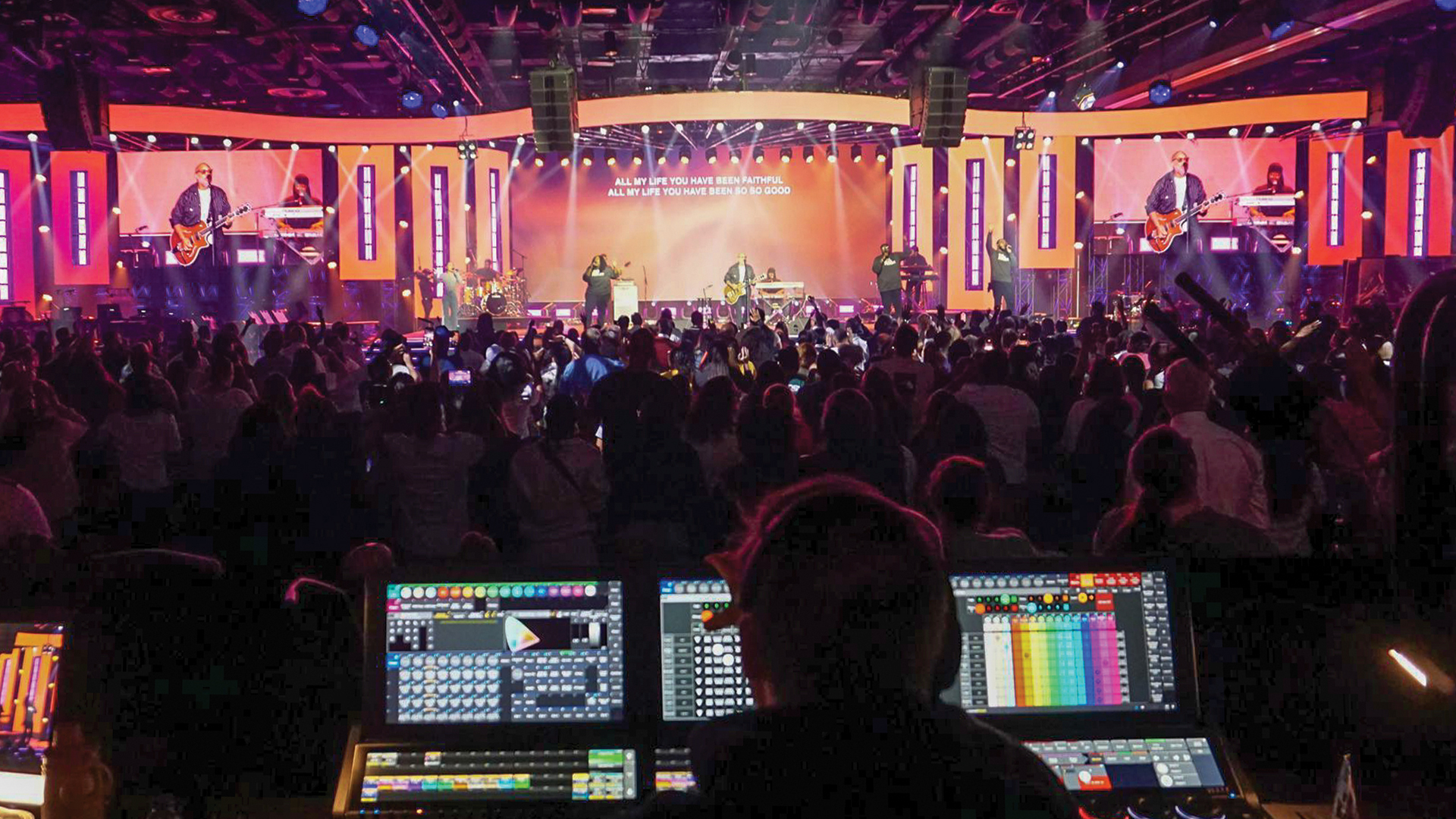
The Multi-Angle Challenge in Modern Events
The days when audiences viewed stages from a single frontal perspective disappeared alongside fixed-seat auditoriums. Today’s events feature 360-degree seating, roving camera operators, drone footage, and social media photographers capturing from angles stage designers never anticipated. Building a stage that looks good from every angle has evolved from nice-to-have aspiration to fundamental design requirement.
The architectural principle of omni-directional design entered event production vocabulary through concert touring, where arena-in-the-round configurations forced designers to abandon front-facing assumptions. Productions for artists including Adele, Drake, and Beyoncé pioneered techniques now filtering into corporate and conference production. The TAIT and Stageco companies who engineered these touring innovations now apply similar thinking to business events.
The challenge intensifies when productions serve both live and broadcast audiences simultaneously. A stage element might read beautifully from house-left camera positions while appearing cluttered from house-right seats. Multi-angle design requires visualizing environments from every potential viewpoint during planning, not discovering problems during technical rehearsal.
Structural Approaches to Multi-Angle Success
Symmetrical stage design provides the foundation for multi-angle success. When stage architecture mirrors across its centerline, off-center viewing positions encounter balanced compositions rather than awkward partial views. This doesn’t mean every element duplicates left-to-right, but major structural elements—truss positions, LED placements, scenic frames—establish visual balance that holds from varied perspectives.
Curved and circular elements read consistently from multiple angles because their geometry doesn’t privilege frontal viewing. A curved LED wall from ROE Visual or Absen presents similar visual character whether viewed from center, stage-left, or stage-right positions. The Samsung The Wall installations at major tech events increasingly adopt curved configurations for precisely this multi-angle advantage.
Layered depth creates visual interest that survives perspective shifts. Rather than flat backdrops that reveal their two-dimensionality from side angles, designs incorporating foreground, mid-ground, and background elements maintain dimensional interest as viewing angles change. Suspended elements from Tyler Truss systems add vertical layering that enhances this depth perception.
Floating and suspended scenic elements avoid the backstage visibility problem that plagues ground-supported designs. When scenic flats stand on the deck, side-angle views reveal their supporting structure and backstage chaos. Elements rigged from overhead remain self-contained from all viewing positions, eliminating the backstage exposure that ruins side-angle photographs.
Scenic Material Selection for Consistent Appearance
Material finish selection affects how surfaces appear from varied angles. Highly reflective materials—glossy paints, metallic surfaces, acrylic panels—create specular highlights visible only from specific angles, causing dramatic appearance shifts as viewpoint changes. Matte and satin finishes maintain more consistent appearance across viewing angles, making them preferable for multi-angle designs.
Fabric scenic elements from suppliers like Rose Brand and ShowTex offer inherent multi-angle advantages. Soft goods absorb light rather than reflecting directionally, maintaining consistent coloration regardless of viewing angle. The dimensional draping possible with fabric creates visual interest that survives perspective changes better than rigid flat surfaces.
Transparent and translucent materials including acrylic panels, stretched fabric screens, and LED mesh create layered compositions that reveal different content from different angles. A scrim positioned between audience and LED wall might show video content from frontal positions while revealing presenter silhouettes from side angles—a designed variation rather than a problem.
Structural materials visible to audiences require finish attention. Exposed aluminum truss from Global Truss or Prolyte reads differently from various angles depending on surface treatment. Black powder-coated truss minimizes visual variation; raw aluminum creates shifting reflections. For productions emphasizing the truss itself as design element, surface variation becomes intentional feature rather than uncontrolled artifact.
LED and Video Surface Considerations
LED viewing angle specifications become critical for multi-angle stage designs. Standard LED panels specify horizontal viewing angles of 120-160 degrees, but brightness and color accuracy degrade significantly before reaching those limits. For stages viewed from angles beyond 45 degrees off-center, specify panels with widest available viewing angles—the ROE Visual Carbon CB5 and Leyard TVH Series emphasize viewing angle performance.
LED surface orientation in multi-angle designs may require compromises. A flat LED wall optimized for frontal viewing delivers poor experience to side-angle seats. Curved configurations present more consistent viewing angles across audience positions but complicate content creation. Some productions deploy multiple LED surfaces addressing different audience sections rather than expecting single surfaces to serve all perspectives.
Content adaptation for multi-angle viewing affects apparent display quality. Fast-moving horizontal content creates motion artifacts more visible from off-angle positions. Content designed for multi-angle installations favors vertical or omnidirectional motion patterns that maintain visual quality regardless of horizontal viewing position.
LED floor and ceiling surfaces add vertical viewing angles to design considerations. When audiences view stages from elevated positions—balconies, camera platforms, drone shots—horizontal surfaces become visible. The ROE Visual BM4 floor tiles and overhead LED installations must account for steep viewing angles that flat walls never encounter.
Lighting Design for Omni-Directional Success
Even illumination from multiple angles eliminates the shadowing problems that plague single-direction lighting. Rather than classic three-point lighting designed for frontal viewing, multi-angle stages require distributed key lighting that provides flattering illumination regardless of camera or audience position. The ETC Source Four LED fixtures positioned around stage perimeters create this distributed coverage.
Backlight becomes cross-light in multi-angle thinking. What reads as separation light from frontal positions serves as key light from opposite-side viewing. This dual function requires intensity balancing—backlight strong enough to separate yet not so strong as to overpower when serving as key from reverse angles.
Scenic and architectural lighting must illuminate surfaces visible from all intended viewing positions. A beautifully lit backdrop invisible from side-angle seats represents wasted design effort. LED tape lighting from Elation or Astera integrated into scenic elements provides self-illumination independent of external fixture positions.
Follow spot operation adapts for multi-angle coverage. Traditional follow operation from rear-of-house positions creates lighting angles inappropriate for side-seated audiences. Productions may deploy multiple follow spots from distributed positions, with operators coordinating coverage zones to ensure consistent presenter illumination regardless of audience position.
Practical Design Process for Multi-Angle Development
3D visualization tools including Vectorworks Spotlight, SketchUp, and Unreal Engine enable designers to evaluate stage concepts from multiple viewpoints before construction begins. The discipline of examining designs from at least five positions—center, extreme left, extreme right, elevated, and floor level—identifies problem areas while designs remain easily adjustable.
Physical mockups at reduced scale reveal multi-angle issues that screen-based visualization may miss. The simple exercise of placing a phone camera at various positions around a scale model exposes sightline problems, structural blockages, and lighting challenges. Production companies including Atomic Design and Scenic Solutions routinely build scale models for complex multi-angle projects.
Technical rehearsal walkthroughs should include systematic viewing from designated audience positions. Rather than evaluating solely from production positions, directors and designers should experience the stage from representative seats throughout the venue—including the worst positions where ticket holders will actually sit.
Camera plot integration ensures broadcast viewing angles align with stage design intent. When camera positions appear on stage plots alongside seating charts, designers can evaluate how each shot will compose. The iso cameras capturing stage-left and stage-right angles deserve equal design attention as the center-punch wide shot.
Case Studies in Multi-Angle Excellence
The Apple Worldwide Developers Conference keynote stages exemplify multi-angle design thinking. Despite relatively conventional frontal orientation, the deep stage with multiple presentation zones, floating product displays, and carefully integrated LED surfaces creates visual interest from the side-angle press seating as well as central audience positions.
TED Conference stages demonstrate how scenic restraint enables multi-angle success. The iconic red carpet, curved screen backdrop, and minimal furniture create compositions that photograph well from any audience position. The design’s simplicity eliminates the sightline conflicts that afflict more complex scenic environments.
Music festival main stages at events like Coachella and Bonnaroo confront the ultimate multi-angle challenge: audiences completely surrounding performance areas with vertical variation from floor to hillside. The scaffolding structures, distributed video surfaces, and architectural lighting solutions these productions deploy represent the frontier of multi-angle stage design.
When your next production requires a stage that looks good from every angle, resist the temptation to design primarily for frontal viewing while hoping other angles work acceptably. Intentional multi-angle design—evaluated systematically from varied positions throughout the development process—creates stages that serve every audience member rather than privileging those fortunate enough to secure center seats.
