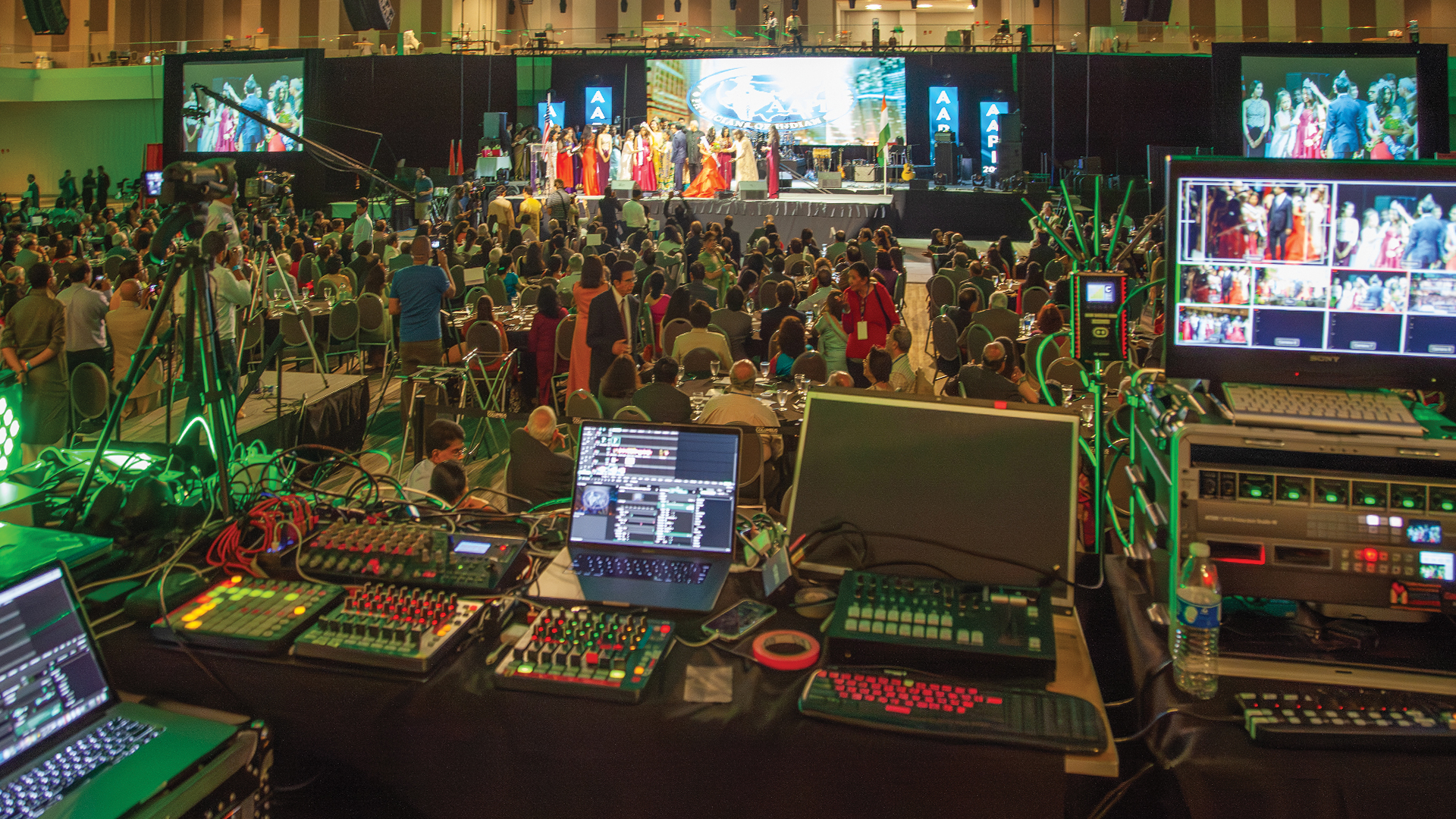
The lighting programmer stares at the screen, certain the cue contained different values yesterday. The fixture positions have shifted. The color parameters read differently. The console appears to have developed opinions about the showfile during the overnight break—opinions expressed through unauthorized modifications to carefully programmed settings.
The Tracking Mystery
Modern lighting control systems employ sophisticated tracking that propagates changes through cue sequences. The ETC Eos and grandMA3 platforms implement tracking differently, but both allow values to flow forward from cues where they’re established until subsequent cues override them.
This tracking behavior creates situations where changes in one cue unexpectedly affect dozens of subsequent cues. The programmer who adjusts a fixture position in cue five might discover that cues six through forty-seven now display different positions—the tracking system propagated the change through every cue that didn’t explicitly specify an override. The console followed its logic perfectly; the programmer simply didn’t anticipate all implications.
Network Synchronization Surprises
Professional productions deploy networked console systems with backup units maintaining synchronized showfiles. The MA-Net protocol and similar systems ensure that all connected consoles share identical programming. When synchronization experiences hiccups, unexpected values can appear as consoles resolve differences between their stored information.
A backup console that captured a partially-edited cue before the programmer completed changes might push that incomplete version to the network during synchronization. The primary console receives data it didn’t create, incorporating values from interrupted editing sessions. The session backup that should protect against data loss instead introduces unexpected modifications.
The Preset Overwrite
Lighting consoles store values in various containers—presets, palettes, groups—that cues reference rather than embedding directly. When someone modifies a preset, every cue referencing that preset immediately reflects the change. This powerful feature becomes problematic when modifications occur unintentionally.
A programmer working quickly might accidentally overwrite a position preset while intending to create a new one. Every cue using that preset now displays the accidentally stored values. The programmer might not discover this until reviewing the show, puzzled by positions that no longer match their intentions.
Encoder Wheel Incidents
The encoder wheels on professional consoles provide precise parameter control through rotational input. These wheels remain active whenever fixtures are selected, meaning accidental contact while reaching for other controls can modify values. A sleeve brushing an encoder while the programmer answers their phone might adjust intensity levels that only become apparent during the next cue review.
The Hog 4 and Avolites Titan platforms include encoder sensitivity settings that can prevent accidental modifications, but these settings also slow deliberate input. Programmers balance responsiveness against accident prevention, sometimes accepting the risk of unintended changes for the benefit of faster intentional adjustments.
The Update Command Cascade
Console update commands store current output values into cues, replacing previously programmed information. This essential feature allows real-time adjustments during performance to become permanent changes. Executed carelessly, update commands replace intended programming with whatever values happen to exist at the moment of execution.
A lighting designer making temporary adjustments during soundcheck might accidentally store those adjustments if an update command fires while fixtures display non-standard positions. The console dutifully records the current state, erasing programming that required hours to create. Without robust undo systems and backup practices, such accidents prove difficult to reverse.
MIDI and Timecode Interference
Shows synchronized to timecode or controlled via MIDI commands can receive unexpected triggers that execute unintended operations. A timecode stream with corrupted frames might trigger cues at wrong moments, while MIDI devices in the venue could send commands that the console interprets as programming instructions.
The show control integration that enables sophisticated automated productions also creates pathways for unintended modifications. A MIDI controller used by another production element might share command space with console functions, accidentally triggering changes when operators think they’re controlling unrelated systems.
Fixture Library Conflicts
Lighting consoles rely on fixture personality files that define how each fixture type responds to DMX commands. Updates to these libraries can change parameter mappings in ways that affect existing programming. A fixture library update that improves accuracy for new shows might break programming created with previous library versions.
The grandMA3 fixture library updates regularly as manufacturers release new fixtures and correct existing definitions. Productions that update mid-run risk discovering that saved cues now produce different output because the console interprets parameter values through modified fixture definitions.
Software Update Side Effects
Console software updates introduce new features, fix bugs, and sometimes change behaviors that programmers had come to expect. The release notes accompanying updates describe major changes, but subtle behavioral modifications might only become apparent when existing showfiles exhibit unexpected responses.
The ETC Eos software has evolved through numerous versions, each introducing refinements that occasionally affected existing programming. A showfile created in an earlier version might display subtly different timing, color interpolation, or parameter handling when loaded into updated software. These differences appear as spontaneous changes even though they result from deliberate software modifications.
Protecting Against Spontaneous Changes
Professional lighting programmers develop defensive practices that minimize unexpected modifications. Regular showfile backups with descriptive naming allow recovery from unwanted changes. Version control systems adapted from software development track every modification, enabling precise identification of when and how changes occurred.
Console lock functions prevent accidental input while programmers attend to other tasks. The confirmation dialogs that seem annoying during rapid programming become protective barriers against accidental modifications during show operation. Network isolation prevents backup consoles from pushing unintended updates during critical moments.
The lighting console that appears to change settings spontaneously follows consistent logic—the spontaneity exists in human perception rather than machine behavior. Understanding the mechanisms through which unexpected changes occur enables programmers to protect their work from the apparent whims of equipment that simply does exactly what it’s told, even when nobody meant to tell it anything.
