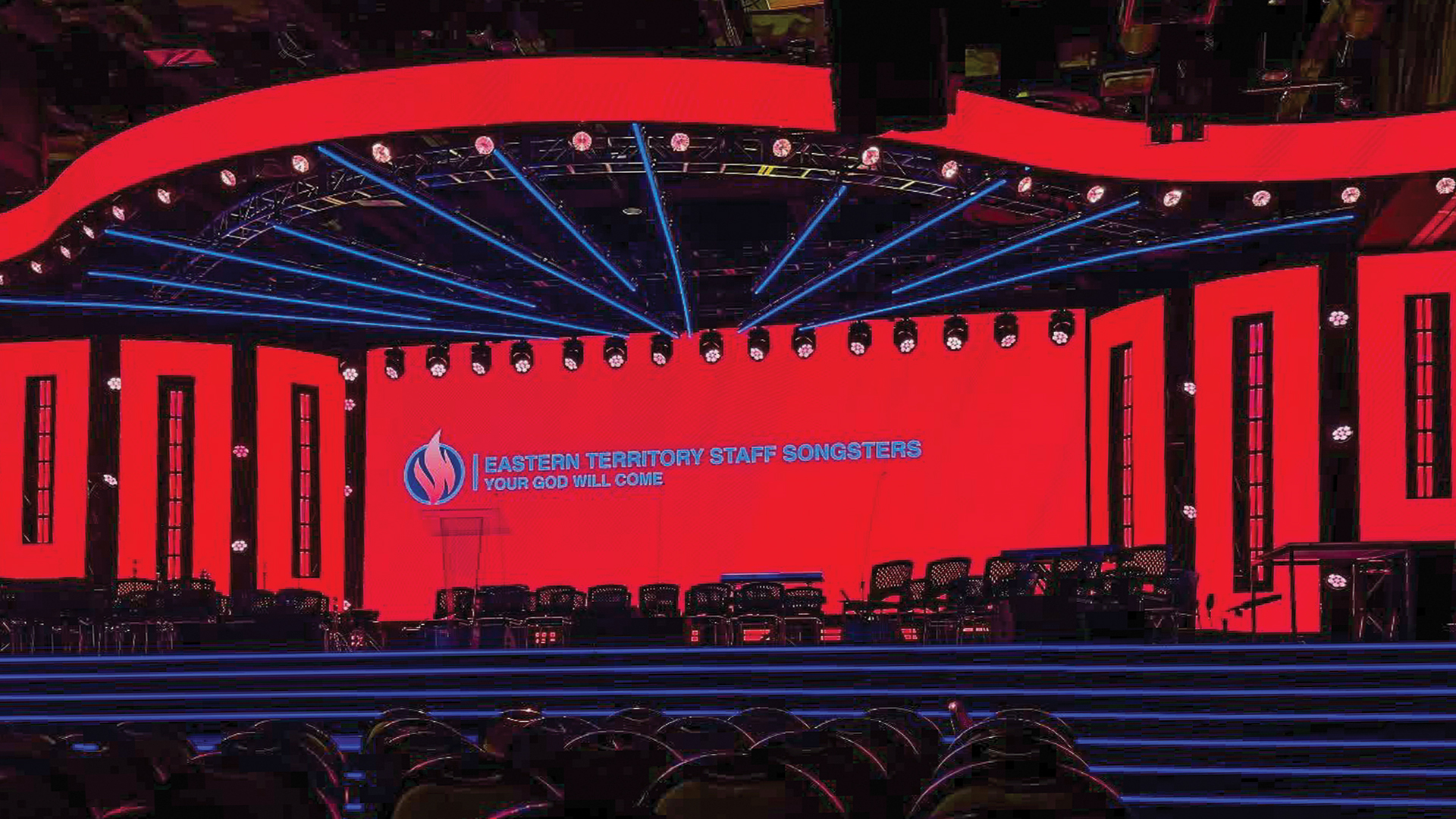
The LED video wall serves as the canvas for modern visual storytelling—millions of pixels awaiting direction. When those pixels develop creative independence, the stage becomes an arena for unexpected visual statements that no designer anticipated.
The Absen A3 Pro Pixel Poetry
The Absen A3 Pro panels deliver excellent fine-pitch performance for touring and installation applications. Video engineer Marcus Webb deployed an A3 Pro wall for a corporate keynote and discovered artistic tendencies.
“During the CEO presentation, random pixels began forming patterns that werent in our content. Not dead pixels—active pixels displaying colors that created what looked like abstract expressionist interruptions. The patterns would appear, persist for maybe 30 seconds, then dissolve back into normal operation.”
The issue traced to receiving card memory errors that manifested as creative pixel behavior. “The Novastar MCTRL660 processor output was clean. But specific receiving cards had developed bit errors in their frame buffers that created these spontaneous artworks.”
The ROE Visual Strip Tease
The ROE Visual Strip product creates dramatic visual elements through linear LED configurations. Production manager Sarah Chen deployed Strips for a concert tour and encountered coordinate confusion.
“We had 60 Strip units arranged in a curved backdrop. The pixel mapping in Notch was perfect during rehearsal. But during the third show, random strips started displaying content offset by exactly 127 pixels—half their length. The content would scroll across the wall with these periodic gaps.”
A firmware timing issue caused certain strips to misinterpret their starting pixel address under specific data conditions. A firmware update corrected the behavior.
The INFiLED Color Commentary
The INFiLED DB Series provides direct-view LED solutions for broadcast and staging. Lighting designer Elena Vasquez specified INFiLED panels for a television production and discovered color interpretation issues.
“The panels were reproducing most colors accurately, but anything in the teal-to-cyan range came out shifted toward green. The color calibration looked correct in the processor, but the on-screen result consistently favored green. It was like the panels had an opinion about which colors were preferable.”
The investigation revealed LED binning variations that affected the blue-to-green transition range. Custom calibration profiles through the Brompton Tessera processing corrected the panels aesthetic preferences.
Historical Context: LED Panel Evolution
The LED video wall industry traces its modern origins to the 1990s when companies like Barco began developing modular systems for permanent installation. Early panels featured pixel pitches measured in centimeters rather than millimeters.
The Element Labs Stealth panels of the early 2000s revolutionized touring video by providing rugged, lightweight modules that could survive the road. The transition to surface-mount LED technology enabled the fine-pitch displays common today.
Practical Panel Management
Managing LED panel behavior requires attention to both signal and power quality. Consistent firmware versions across all receiving cards prevent behavior variations that manifest as visual glitches.
Regular calibration verification using tools like the Klein K-10A colorimeter identifies color drift before it becomes visible during productions.
LED panels are remarkably capable display systems that can create stunning visual experiences. When they develop mischievous tendencies, the causes typically trace to firmware, calibration, or signal integrity issues that systematic troubleshooting can resolve.
